January 28, 2026

Skylights are one of the most effective ways to bring natural light into a home, but many homeowners still hesitate because of a long-standing concern: do skylights heat up a room?
In a climate like Adelaide’s—where summer sun can be intense—this is a valid question. The reality, however, is more nuanced. Skylights can contribute to unwanted heat only when they are outdated, poorly designed, or incorrectly installed. Modern skylights, on the other hand, are engineered specifically to manage heat while maximising natural light.
Let’s separate myth from reality and explain what really determines whether a skylight will make a room hotter—or more comfortable.
The belief that skylights overheat rooms usually comes from older experiences. Early skylights often used:
These designs allowed direct solar heat gain, glare, and temperature fluctuations. As a result, skylights gained a reputation for trapping heat in summer and losing warmth in winter.
Modern skylights are fundamentally different.
The truth is a skylight itself doesn’t cause overheating. What matters is:
When these factors are properly addressed, a skylight can actually improve indoor comfort and energy efficiency rather than work against it.
Most high-quality skylights today use Low-E (low emissivity) glass, which reflects a portion of solar heat while still allowing visible light through.
Low-E glazing helps:
This technology is one of the main reasons modern skylights perform far better than older designs.
Modern skylights are often double- or triple-glazed, creating insulating air gaps between glass layers.
This layered structure:
As a result, skylights contribute to year-round comfort rather than seasonal discomfort.
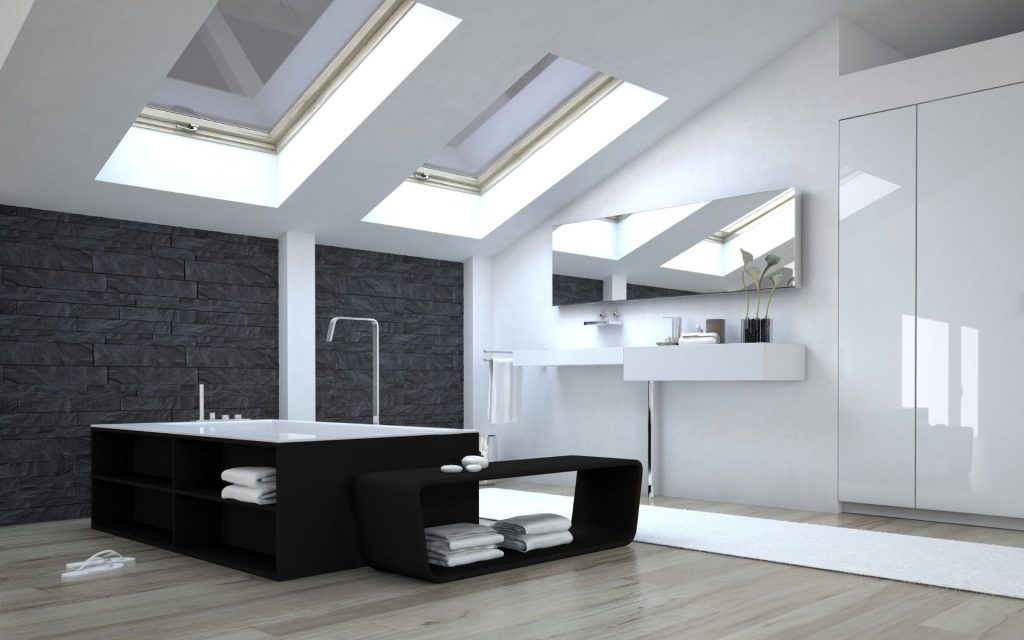
Even the best skylight can perform poorly if it’s installed in the wrong position.
Professional skylight design considers:
Correct placement ensures balanced daylight without exposing the room to excessive direct sun, particularly during peak summer hours.
Yes—skylights can actively help cool a home when designed with ventilation in mind.
Ventilating skylights allow hot air, which naturally rises, to escape through the roof. This promotes natural airflow and can significantly reduce heat buildup, especially in:
When combined with other windows or airflow pathways, skylights can improve passive cooling rather than contribute to overheating.
A common misconception is that skylights only cause problems in summer. In reality, modern skylights are designed for balanced performance across seasons.
In summer:
In winter:
This makes skylights a year-round asset when properly selected and installed.
If a skylight does cause overheating, it’s usually due to:
These issues are avoidable with proper product selection and professional installation.
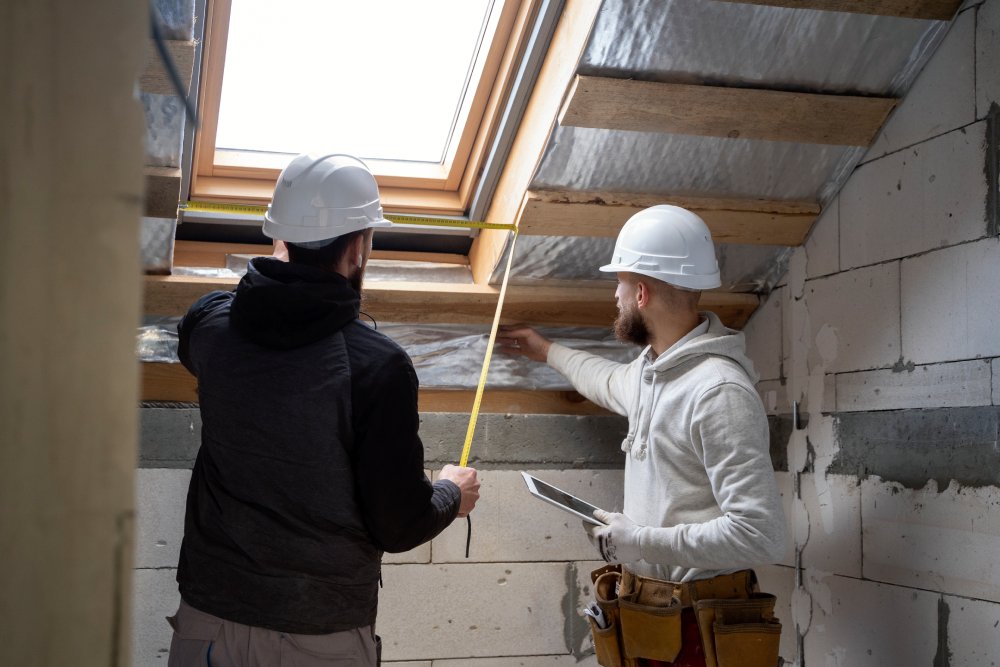
Even the most advanced skylight won’t perform as intended without correct installation. Factors such as flashing, sealing, roof integration, and positioning all influence thermal performance.
This is why working with an experienced installer is critical to achieving the right balance of light, heat control, and energy efficiency.
VSky Skylights Adelaide provides end-to-end skylight solutions across Adelaide, including supply and professional installation. We install a range of skylight types—opening skylights, fixed skylights, and sun tunnels—so you can choose the right option for your space, ventilation needs, and natural light goals.
We also sell different types of skylights for different types of roofs and skylight accessories, including compatible add-ons that help improve light control, comfort, and overall performance, with expert guidance to ensure everything works seamlessly with your roof and room layout.
The answer is myth—with conditions.
Skylights only heat up a room when they’re outdated, poorly placed, or incorrectly installed. Modern skylights with proper glazing, ventilation, and professional installation are designed to manage heat effectively—and can even improve indoor comfort.
If you’re considering a skylight and want to ensure it won’t overheat your space, VSky Skylights Adelaide can help you choose the right solution for your home.
Learn more or request expert advice at:
👉 https://vsky.com.au/